Abandoned Cart Recovery on Autopilot: How E-Commerce Stores Win Back Sales Without Manual Follow-Up
Customers fill their cart and disappear — here's how to bring them back automatically, without lifting a finger.
 · 8 min read

Estimated reading time: 7 minutes
Key takeaways

- Most e-commerce stores lose a significant portion of potential revenue to abandoned carts every single day — and do nothing about it.
- Abandoned cart recovery on autopilot works by triggering a timed sequence of messages (email, SMS, or both) the moment a shopper leaves without buying.
- A well-structured three-step sequence — sent at 1 hour, 24 hours, and 72 hours — captures the majority of recoverable revenue.
- AI tools can personalise each message based on the shopper's behaviour, cart contents, and purchase history, without any manual input from you.
- Setup takes a few days, not months — and once it runs, it works around the clock with zero ongoing effort from your team.
Table of contents

- Why carts get abandoned and why it costs you more than you think
- What abandoned cart recovery on autopilot actually looks like
- Building your recovery sequence: timing, channels and message structure
- How AI personalisation makes your abandoned cart recovery on autopilot more effective
- Setting it up: tools, integrations and what to expect
Why carts get abandoned and why it costs you more than you think

Someone browses your store, picks out a product, adds it to their cart — and then vanishes. No purchase, no message, nothing. For most small and medium e-commerce businesses, this happens dozens or even hundreds of times a day, and the owner never knows about it until they check the analytics (if they ever do).
Cart abandonment happens for all kinds of reasons. The shopper got distracted. Shipping costs surprised them at checkout. They wanted to compare prices. They ran out of time. In most of these cases, they were genuinely interested — they just didn't complete the purchase in that session.
That's the key insight: an abandoned cart is not a lost sale. It's a warm lead who already told you exactly what they want. They selected the product, potentially chose a size or colour, and went as far as the checkout page. That's more intent than most marketing campaigns ever generate.
The problem is that most store owners treat it as a lost cause. They either ignore it entirely or rely on a single automated email that goes out hours later with a generic "You left something behind!" subject line — and wonder why it doesn't convert.
Definition — Abandoned cart recovery: The process of automatically identifying shoppers who added items to their cart but did not complete a purchase, and re-engaging them through a timed sequence of messages (email, SMS, or both) designed to bring them back to the store and complete the transaction.
What abandoned cart recovery on autopilot actually looks like
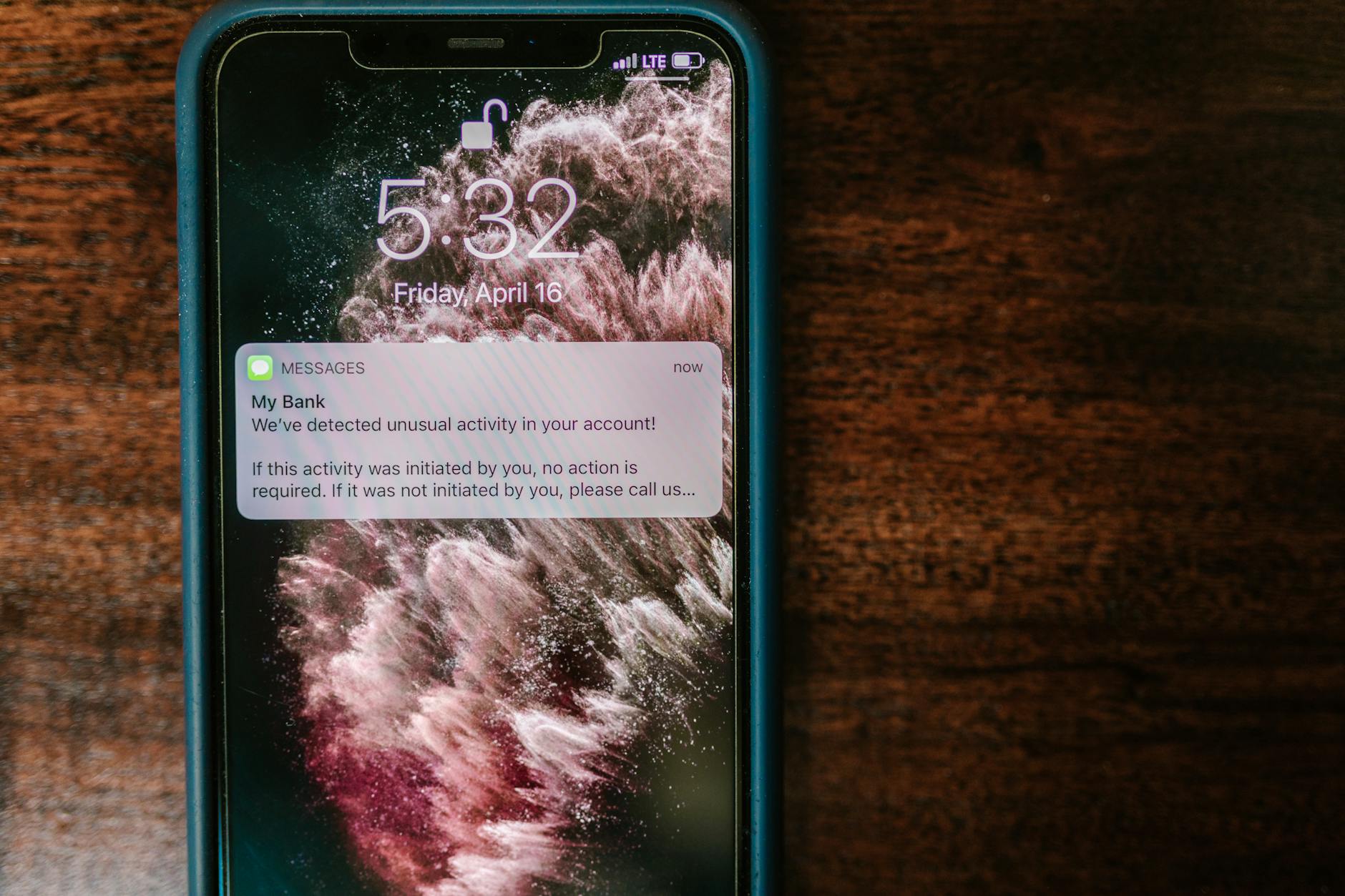
When people hear "automation," they sometimes picture a complex technical project that requires a developer and weeks of work. Cart recovery on autopilot is much simpler than that — and the business logic behind it is straightforward.
Here's what it looks like in practice: a shopper adds items to their cart and leaves your site without purchasing. Your e-commerce platform detects this event and automatically passes the shopper's details — email address, cart contents, product images, prices — to your marketing tool. That tool starts a pre-built sequence of messages on a fixed schedule. No one on your team has to do anything.
From your perspective as the owner: you set this up once, and it runs forever. Every abandoned cart automatically enters the sequence. You don't assign it to a team member, you don't write individual emails, you don't follow up manually. The system handles it.
The shopper has a much better experience too — the messages feel relevant because they reference exactly what was in the cart, not a generic promotion.
Building your recovery sequence: timing, channels and message structure

The structure of your sequence matters more than the individual messages. Here's how to think about each touchpoint.
Message 1 — The 1-hour reminder
This is your highest-converting message. Send it fast — within 60 minutes of the cart being abandoned. The shopper is still warm. They may have simply got distracted. Keep this message short: show the product image, the product name, and a single clear button that takes them directly back to their cart. No discount yet. No pressure. Just a helpful reminder.
Message 2 — The 24-hour follow-up
If they haven't returned after a day, they need a little more. This is the place to add social proof — a review from a previous customer, a note about how many people bought this item recently, or an answer to the most common objection for that product category. Again, keep the cart link prominent.
Message 3 — The 72-hour incentive
By day three, the shopper has consciously decided not to come back on their own. If they're still on your list, they haven't unsubscribed — they may just need one more reason. This is where a time-limited offer makes sense: free shipping, 10% off, or a small bonus gift. Make the offer feel exclusive and urgent without being manipulative.
Should you use email, SMS or both?
Email remains the workhorse for cart recovery — it's easy to format, inexpensive to send, and most platforms support it natively. SMS has much higher open rates but also higher opt-out rates if you overuse it. A practical approach: use email for all three messages, and add a single SMS as message 1 if you have mobile numbers from your checkout flow. Don't send SMS at all three stages — that will feel intrusive.
How AI personalisation makes your abandoned cart recovery on autopilot more effective
A basic cart recovery sequence will already outperform doing nothing. But AI adds a layer of personalisation that can significantly improve your results — and it does it without adding any work for you.
Here's where AI makes a real difference in your recovery sequence:
- Dynamic product content: Instead of a generic cart message, the email shows the exact product name, image, price and variant the shopper selected — pulled automatically from your store's product catalogue.
- Behavioural triggers: AI can adjust the sequence based on what the shopper did before abandoning. Someone who spent 10 minutes on the product page and then abandoned at shipping costs gets a different message than someone who added to cart immediately and left in 30 seconds.
- Purchase history awareness: If a returning customer abandons a cart, the AI can reference their previous purchase. New visitors get a trust-building message instead.
- Send-time optimisation: Some platforms use AI to adjust the delivery time of each message based on when that specific subscriber tends to open emails — rather than sending at a fixed hour for everyone.
- Subject line testing: AI tools can automatically test multiple subject lines and shift future sends toward whichever version gets more opens, without you having to manage the test manually.
None of this requires you to write custom emails for every scenario. You set up the logic once — the conditions, the variables, the fallback content — and the system handles the rest for every cart, every customer, every day.
Setting it up: tools, integrations and what to expect
You don't need a custom-built system to run abandoned cart recovery on autopilot. Most established platforms either include it natively or connect to tools that do.
If you're on Shopify
Shopify includes basic abandoned checkout emails built in. For a more complete sequence with SMS, AI personalisation and advanced logic, tools like Klaviyo, Omnisend or ActiveCampaign connect directly to your Shopify store and give you full control over the sequence design. Klaviyo in particular has strong AI-driven personalisation features that work out of the box once your product catalogue is connected.
If you're on WooCommerce
WooCommerce integrates with most major email marketing platforms. AutomateWoo is a plugin built specifically for WooCommerce automations including cart recovery. For more complex multi-channel sequences, ActiveCampaign or Klaviyo work here too via integration.
What the setup actually involves
In practical terms, setting up a functioning three-step cart recovery sequence takes a few days — not months. The main steps are: connecting your e-commerce platform to your email/SMS tool, mapping the cart data fields (product name, image, price, cart URL), writing the three email templates, setting the timing rules, and testing with a live cart abandonment. Once live, the sequence runs without any further input.
What to measure once it's running
Track these numbers weekly for the first month, then monthly once you have a baseline:
- Recovery rate: the percentage of abandoned carts that result in a completed purchase after the sequence runs.
- Revenue recovered: the total sales value attributed to the sequence.
- Open rate and click rate per message: helps you identify which step in the sequence is underperforming.
- Unsubscribe rate: if this spikes, your sequence is too aggressive — reduce frequency or adjust tone.
Conclusion
Abandoned carts are one of the clearest revenue leaks in any e-commerce business. The good news is that fixing it doesn't require a bigger team, a bigger ad budget, or a complicated technology project. A well-built three-step sequence — triggered automatically the moment a shopper leaves without buying — handles the follow-up for you, every time, without exception.
Set it up once. Let it run. Review the numbers monthly and adjust the messaging if needed. That's the whole system.
If your store is losing potential sales every day to abandoned carts and you haven't automated the recovery yet, this is the highest-ROI automation you can deploy right now.
Want to go further? Join the Skool group (200+ entrepreneurs) and the AI builders' Discord → Join the community
Running a business and want to automate your content or processes with AI? → Book a call
FAQ
How does abandoned cart recovery on autopilot work?
Your e-commerce platform detects when a shopper adds items to their cart but leaves without completing the purchase. It then automatically triggers a timed sequence of emails or SMS messages — typically at 1 hour, 24 hours, and 72 hours — reminding the shopper what they left behind and giving them a direct link back to their cart. The whole sequence runs without any manual action from you or your team.
What is a good recovery rate for abandoned cart emails?
Recovery rates vary depending on your industry, product price point, and sequence quality. A well-structured three-step sequence consistently outperforms a single email. Focus on improving your open rate for message 1 (the 1-hour reminder) first — that's where the most recoverable revenue sits.
Should I offer a discount in my abandoned cart emails?
Not immediately. Save discounts or incentives for the third message (the 72-hour follow-up) — by that point, shoppers who were going to return on their own already have. Offering a discount too early trains customers to abandon carts on purpose to get a deal.
Which tools are best for automated cart recovery on Shopify?
Klaviyo and Omnisend are the most commonly used tools for Shopify cart recovery sequences with AI personalisation. Both connect directly to your Shopify product catalogue and allow multi-step, multi-channel sequences. Shopify also has a native abandoned checkout email, but it's limited to a single message with no personalisation logic.
How long does it take to set up an automated abandoned cart recovery sequence?
For most stores, a functional three-step sequence can be live within a few days. The main time investment is connecting your platforms, writing the email templates, and testing the trigger logic with a real cart abandonment. Once live, the sequence requires no ongoing management — only periodic review of performance metrics.
Can automated cart recovery work for high-ticket products?
Yes, but the sequence needs adjustment. For high-ticket items, the messaging should focus on trust, social proof, and answering objections rather than urgency or discounts. A phone call or live chat follow-up triggered after message 2 — if the cart value is above a certain threshold — can also be layered in alongside the automated emails.
On voit si l'IA peut faire cartonner votre business ?
15 minutes, cash. Pas de script, pas de jargon. Au pire, on vous dit que ce serait un flop — et vous aurez gagné du temps.