Abandoned Cart Recovery for E-Commerce Stores: How AI Follow-Up Sequences Bring Customers Back
Seven in ten shoppers leave without buying — here's how automated sequences pull them back before they forget you.
 · 9 min read

Estimated reading time: 7 minutes
Key Takeaways

- About 70% of online shopping carts are abandoned — most of that revenue is recoverable with the right sequence.
- Timing is critical: emails sent within one hour of abandonment see dramatically higher open rates than those sent two to four hours later.
- A three-message sequence (email + SMS) consistently outperforms a single email, recovering an estimated 9–13% of abandoned carts versus 3–5%.
- AI in cart recovery is mainly used for send-time optimisation, product recommendations, and customer segmentation — not magic, but measurable improvements.
- Automating recovery without fixing the underlying checkout problems (unexpected shipping fees, poor mobile experience) limits your results regardless of the tool you use.
Table of Contents

- Why Abandonment Is Your Biggest Recoverable Revenue Leak
- How Abandoned Cart Recovery Sequences Actually Work
- Where AI Fits Into Abandoned Cart Recovery
- The Tools Worth Using for Small and Medium E-Commerce Stores
- Common Mistakes That Kill Your Recovery Results
Why Abandonment Is Your Biggest Recoverable Revenue Leak
According to the Baymard Institute, which averages data from more than 50 documented studies, approximately 70% of online shopping carts are abandoned before checkout is completed. Put another way, for every ten people who add something to their cart on your store, seven leave without paying.
Some of those people were never going to buy. They were comparing prices, checking your shipping costs, or just browsing on a slow lunch break. But a meaningful share of them had genuine purchase intent — they just got distracted, hit an unexpected fee, or ran out of time. That second group is where your recovery sequence earns its keep.
The good news: unlike acquiring a brand-new customer, winning back an abandoner costs very little. They already know your product. They already picked one out. A well-timed, relevant follow-up is often enough to close the sale.
How Abandoned Cart Recovery Sequences Actually Work

A recovery sequence is a series of automated messages triggered by a specific behaviour: a logged-in or identified customer adds items to their cart and leaves the site without completing checkout. The system detects that trigger and fires a pre-built flow of messages across one or more channels.
The timing window matters more than most store owners realise
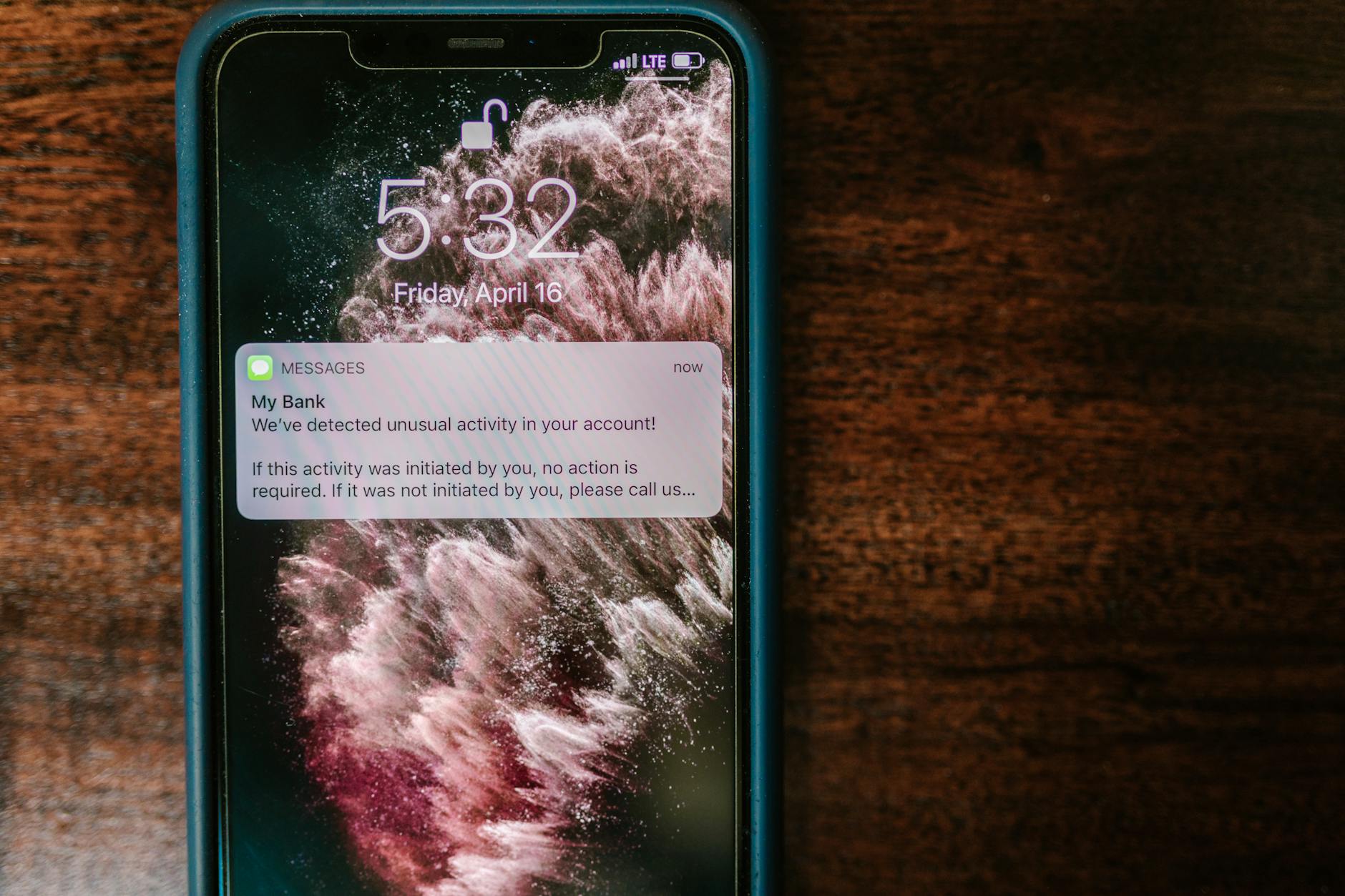
Industry data consistently shows that the first message needs to go out fast. Emails sent within one hour of abandonment tend to generate significantly higher open rates than those sent two to four hours later. Every hour you wait, the purchase intent cools.
A practical three-step sequence looks like this:
- Email 1 — sent within 30 to 60 minutes: a simple reminder with the exact items left behind, no discount, just a clear link back to the cart.
- Email 2 — sent 12 to 24 hours later: add social proof (reviews, ratings) and address common objections like your returns policy or free shipping threshold.
- SMS or Email 3 — sent 48 to 72 hours later: if you have permission, send a text. This is where a limited-time discount can make sense for high-value carts — but not as a default for everyone.
What the numbers look like in practice
Industry benchmarks give a useful directional picture, though results vary significantly depending on your traffic quality, product category, and sequence design:
- A single recovery email: approximately 3–5% of abandoned carts recovered
- A three-email sequence: approximately 6–10%
- Email plus SMS combined: approximately 9–13%
- Multi-channel sequences (email, SMS, push notifications): stores using all three channels typically report recovering a larger share of abandoned carts than those relying on email alone
These are directional figures, not guarantees. Vendors measure "recovery" differently, use different attribution windows, and serve different customer bases. Treat them as a starting point, not a promise.
Where AI Fits Into Abandoned Cart Recovery
Definition — AI-assisted cart recovery: the use of machine learning and predictive algorithms to optimise when, how, and to whom abandoned cart messages are sent, based on behavioural data, purchase history, and customer segmentation — as opposed to sending the same message to every abandoner at the same fixed time.
AI does not replace the sequence. It makes the sequence smarter. Here is where it actually adds value in a production setup:
Send-time optimisation
Instead of sending every email at T+1 hour, AI tools analyse when each individual customer has historically opened and engaged with messages, and schedule delivery accordingly. This alone can meaningfully lift open rates without changing a word of your copy.
Customer scoring and segmentation
Not every abandoned cart deserves the same message. AI can score customers by purchase probability based on their cart value, browsing history, order history, and how they arrived at your store. A first-time visitor who abandoned a €12 item gets a different sequence than a repeat customer who left a €280 cart behind.
Product recommendations
Rather than just showing the abandoned item, AI-powered tools can add related products or recently viewed items to the recovery email — increasing the chance that the customer finds something they actually want to buy, even if the original item no longer appeals to them.
Subject line and copy suggestions
Tools like Klaviyo offer AI-assisted subject line generation and A/B testing at scale. This is useful if you are running high volume and want to optimise continuously, but it is not a starting priority for most small stores.
The honest truth: for most SMB e-commerce stores, the biggest gains come from getting the basic sequence right — fast first email, clear product reminder, well-timed SMS — before layering in AI optimisation. The tools that offer AI features are the same ones you would use anyway. The AI is an enhancement, not a separate product.
The Tools Worth Using for Small and Medium E-Commerce Stores
You do not need an enterprise marketing stack to run a solid abandoned cart recovery flow. Here are the tools that cover most SMB use cases:
Klaviyo
The most widely used email and SMS automation platform for e-commerce. It integrates natively with Shopify, WooCommerce, and most major platforms. Its pre-built abandoned cart flows are solid out of the box, and the AI features — predictive analytics, send-time optimisation, product recommendations — are genuinely useful once you have enough data to train them. Pricing starts at around $45/month on paid plans, scaling with your contact list size.
Omnisend
A strong alternative for stores that want email, SMS, and push notifications under one roof at a lower entry price. Paid plans start from approximately $16/month. It covers the core recovery sequence well and works with Shopify, BigCommerce, and WooCommerce. If budget is tight, this is the logical starting point.
Shopify's built-in automation
If you are on Shopify, you already have access to abandoned checkout emails at no additional cost. They are basic — no SMS, limited personalisation — but they work, and they are the fastest way to start recovering revenue today if you have nothing in place. Think of it as the floor, not the ceiling.
Attentive
An SMS-first platform used by larger direct-to-consumer brands. Pricing is quote-based and varies by message volume. Relevant if SMS is a primary channel for you and you have a clean, opted-in subscriber list. Less practical for stores just getting started with recovery automation.
For most small stores: start with Shopify's built-in tool or Omnisend, get your basic three-step flow running, measure real revenue recovered (not just open rates), and upgrade to Klaviyo when your volume justifies it.
Common Mistakes That Kill Your Recovery Results
A well-built recovery sequence can only do so much if the underlying problems that caused the abandonment are still there. Here is what to watch out for:
Treating every abandonment as high purchase intent
Some visitors add items to their cart to save them for later, compare prices with competitors, or check your total with shipping before deciding. Sending aggressive discount codes to all of them trains your best customers to abandon carts on purpose to wait for the offer — and eats directly into your margin.
Assuming automation fixes checkout problems
If customers are leaving because your shipping fees appear only at the last step, your checkout does not work well on mobile, or you only accept one payment method, no follow-up sequence will fix that. Audit your checkout funnel before you invest in recovery automation.
Ignoring consent and frequency rules
SMS recovery requires explicit opt-in consent. Email recovery requires compliant list management and easy unsubscribe. If your recovery flow overlaps with other promotional campaigns, customers will get too many messages too close together — and unsubscribe rates will climb. Set suppression rules and daily message frequency caps before you launch.
Measuring opens instead of profitable recovery
Open rates are unreliable metrics, partly because of email privacy protections that auto-load tracking pixels. The numbers that actually matter are: revenue per recipient, incremental conversion rate, gross margin after any discounts you offered, unsubscribe rate, and complaint rate. If your recovery emails are profitable, those numbers will tell you. If they are not, open rates will not save you.
Conclusion
Abandoned cart recovery is one of the most cost-effective automations you can put in place for an e-commerce store. The mechanic is simple: identify people who showed genuine purchase intent and did not complete the sale, then reach back out quickly, with the right message, on the right channel. AI makes that process smarter — better timing, better segmentation, better personalisation — but the foundation is a reliable trigger, a fast first email, and a multi-step sequence that respects your customers' inbox.
If you have nothing in place today, start with Shopify's built-in abandoned checkout email. Then add a second and third step. Then measure what is actually being recovered in revenue terms. Once that baseline is working, bring in a tool like Omnisend or Klaviyo to add SMS and start using the AI features that make each message more relevant. That is a realistic roadmap — not a promise of instant results, but a repeatable system that compounds over time.
Want to go further? Join the Skool group (200+ entrepreneurs) and the AI builders' Discord → Join the community
Running a business and want to automate your content or processes with AI? → Book a call
FAQ
What is a good abandoned cart recovery rate for an e-commerce store?
Industry benchmarks suggest a single recovery email recovers roughly 3–5% of abandoned carts, a three-email sequence recovers 6–10%, and an email plus SMS combination recovers 9–13%. These figures vary significantly by industry, traffic quality, and sequence design, so treat them as directional targets rather than guaranteed results.
How soon should I send an abandoned cart email?
Within the first hour of abandonment. Research shows emails sent within 60 minutes achieve significantly higher open rates than emails sent two to four hours later. Every hour you wait, the customer's purchase intent cools and the competition for their attention grows.
Do I need an expensive tool to recover abandoned carts?
No. If you are on Shopify, you can activate the built-in abandoned checkout email at no extra cost. Tools like Omnisend offer paid plans from around $16/month and cover email, SMS, and push notifications. You only need a more advanced platform like Klaviyo once your volume and segmentation needs justify the higher price.
Can I send abandoned cart SMS messages without permission?
No. SMS recovery requires explicit opt-in consent from your customers. Sending unsolicited SMS messages is a compliance risk and will damage your sender reputation. Always use a tool that manages consent, handles unsubscribes automatically, and respects regional regulations like GDPR or TCPA.
Why are my abandoned cart emails getting high open rates but low sales?
High open rates do not always translate to recovered revenue. The most common causes are: the checkout experience still has a friction problem (unexpected fees, limited payment options, slow mobile pages), the email is not linking directly back to the cart, or you are measuring privacy-affected open rates that are inflated. Focus on revenue per recipient and actual conversion rate instead.
Does AI actually improve abandoned cart recovery, or is it just marketing?
AI does provide real improvements in specific areas: send-time optimisation, customer scoring, product recommendations, and segmentation. These features lift performance incrementally once you have a working baseline sequence. But AI does not replace a well-structured flow or fix underlying checkout problems. The gains are real — they are optimisation-level gains, not a shortcut to instant results.
On voit si l'IA peut faire cartonner votre business ?
15 minutes, cash. Pas de script, pas de jargon. Au pire, on vous dit que ce serait un flop — et vous aurez gagné du temps.