Recovering Abandoned Carts Automatically: A Practical AI Setup for Online Retailers
70% of your shoppers leave without buying — here's a concrete automation sequence to bring them back.
 · 9 min read

Estimated reading time: 7 minutes
Key Takeaways

- Around 70% of online shopping carts are abandoned before purchase — this is recoverable revenue sitting on the table.
- A 2–3 step automated sequence (1h / 24h / 48–72h) consistently outperforms a single reminder.
- Email-first flows with optional SMS for opted-in shoppers are the dominant practical setup for SMBs.
- Tools like Klaviyo, Omnisend, and Mailchimp make it possible to build this without writing a single line of code.
- AI in this context means smarter segmentation, personalization, and timing — not a fully autonomous agent replacing your entire workflow.
Table of Contents

- Why Abandoned Cart Recovery Matters for Your Business
- The Core Recovering Abandoned Carts Sequence: Timing and Structure
- The Tools That Actually Build the Flow
- Where AI Fits Into Recovering Abandoned Carts Automation
- Common Mistakes That Kill Your Recovery Rate
Why Abandoned Cart Recovery Matters for Your Business

If you run an online store, you've already done the hard part of getting someone to browse your products and add them to their cart. Then they disappear. This is not a rare edge case — around 70% of online shopping carts are abandoned before purchase. For every 10 people who show buying intent, 7 walk out the virtual door.
The good news: many of them can come back. Not because they didn't want to buy, but because they got distracted, had a question, or weren't quite ready. A well-timed automated message is often all it takes to close that sale.
Stores using a multi-step abandoned cart sequence commonly report recovering a meaningful share of lost revenue — and the math is straightforward: on a store with significant abandoned cart value each month, getting even a fraction of those shoppers back adds real money to your bottom line, on autopilot.
This article walks you through a practical setup: what sequence to build, which tools to use, where AI actually adds value, and what mistakes to avoid.
The Core Recovering Abandoned Carts Sequence: Timing and Structure
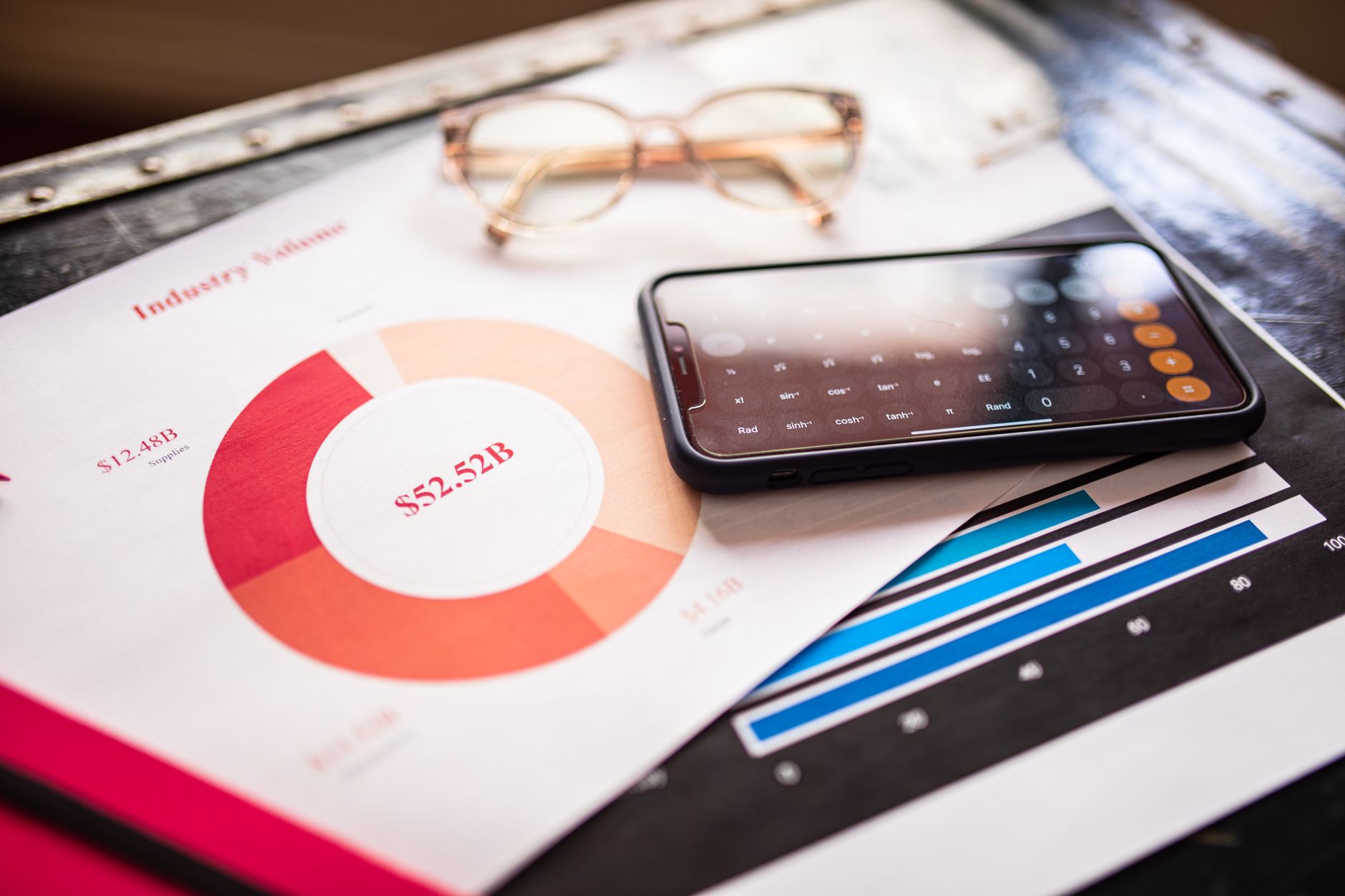
The structure that consistently outperforms a single reminder is a 2–3 step sequence spread over 48 to 72 hours. Here's what it looks like in practice:
Step 1 — 1 Hour After Abandonment: The Gentle Nudge
Send the first message roughly one hour after the cart is abandoned. At this point, the shopper still has your product in mind. Keep it simple: remind them what they left behind, make it easy to pick up where they stopped, and don't offer a discount yet. Many people come back at this stage without any incentive — they just needed a reminder.
Step 2 — 24 Hours Later: Add Value or Address Concerns
If they haven't purchased, send a second message the next day. This is the place to mention your return policy, answer common questions about the product, or highlight social proof (reviews, ratings). Some retailers introduce a small incentive here — free shipping or a modest discount — but it's not mandatory at this stage.
Step 3 — 48 to 72 Hours Later: Final Follow-Up
A third message closes the loop. By now you know this person is genuinely on the fence. This is where you can make a concrete offer: a time-limited discount, a bundle, or a "limited stock" nudge if it's true. After this point, continuing to message becomes noise rather than recovery.
The entire sequence is triggered automatically when a product is added to cart (or when checkout is started) and stopped the moment an order is placed. No manual work required after the initial setup.
Definition — Abandoned Cart Automation: An abandoned cart automation is a rule-based trigger sequence that fires when a shopper adds items to a cart but does not complete a purchase within a defined time window. It sends a pre-configured series of messages (email, SMS, or both) at set intervals to bring the shopper back to checkout.
The Tools That Actually Build the Flow

You don't need to build this from scratch or hire a developer. Several platforms handle the entire flow out of the box, and most connect directly to Shopify, WooCommerce, or similar platforms.
Klaviyo
Klaviyo is the most popular choice for Shopify stores that want serious control over their recovery flows. It handles both email and SMS, supports deep segmentation by cart value, product category, or customer history, and gives you detailed reporting on each step of your sequence. It starts with a free/trial tier and scales into paid growth tiers as your contact list grows.
Omnisend
Omnisend comes with pre-built abandoned cart and checkout recovery workflows that you can activate in minutes. It supports email, SMS, and push notifications, and the setup is straightforward enough for a business owner with no technical background. It has a free tier and paid plans for larger volumes.
Mailchimp
Mailchimp supports abandoned cart customer journeys with both email and SMS actions. One limitation worth knowing: Mailchimp's flow allows only one SMS per abandoned cart, so if SMS is central to your strategy, Klaviyo or Omnisend will give you more flexibility. It also offers a free tier and paid tiers.
Zapier (for connecting your stack)
If your store, CRM, SMS tool, or helpdesk don't connect natively, Zapier is the glue. It lets you trigger cart abandonment campaigns, pass contact data between tools, and orchestrate workflows across your entire tech stack without writing code. It has a free tier and paid plans depending on the number of tasks you run.
The dominant real-world pattern for SMBs is Shopify + Klaviyo or Omnisend, with SMS added for shoppers who have opted in and occasionally push notifications as an extra layer.
Where AI Fits Into Recovering Abandoned Carts Automation
Here's an important distinction: most small and medium retailers are not running fully autonomous AI agents that write and send messages on their own. What they're actually using is trigger-based automation with a few AI-assisted layers. Understanding this distinction will help you set realistic expectations and invest in the right things.
Segmentation
AI-assisted segmentation helps you treat different abandoners differently. A shopper with a €15 cart gets a different flow than someone with €300 worth of product in their basket. AI can score these automatically and route them into different sequences without you manually defining every rule.
Personalization
Rather than sending a generic "you left something behind" message, AI can pull in the exact product name, image, and price, reference the shopper's browsing history, or adjust the offer based on their customer tier. This level of personalization used to require a developer. Today Klaviyo and Omnisend handle a large portion of it automatically.
Send-Time Optimization
Some platforms use machine learning to determine the best time to deliver your message based on when each individual subscriber is most likely to open and click. This is an AI feature baked into the platform — you don't have to manage it manually.
Workflow Routing
For more advanced setups, AI can route a shopper into different branches of your flow based on real-time behavior: did they open the first email? Did they click but not buy? Did they come back and browse a different product? These conditional paths make your recovery more intelligent without requiring you to micro-manage every decision.
One current limitation worth knowing: not every abandoned visitor can be matched to contact data. Anonymous abandoners — people who weren't logged in or hadn't provided their email — are often out of reach for email or SMS flows. Some advanced setups use identity enrichment to close this gap, but for most SMBs, focusing on known contacts is the place to start.
Common Mistakes That Kill Your Recovery Rate
Once you've got the technical setup in place, these are the mistakes that quietly drain your results:
Sending Only One Message
A single reminder leaves a lot of revenue behind. The staged 1h / 24h / 48–72h cadence consistently outperforms a one-touch approach. Most shoppers who come back after a recovery sequence do so after the second or third message, not the first. If you're only sending one email, you're doing half the job.
Treating Every Abandoner the Same
Recovery performance varies significantly based on cart value, channel consent, and list quality. A shopper with a high-value cart who has opted into SMS is much more likely to respond to a personalized sequence than a low-value anonymous visitor. Segment early, even if it's just a simple high/low cart-value split.
Discounting Too Early
If your first message always includes a discount, you're training your customers to abandon carts on purpose to get a deal. Hold off on the incentive until the second or third step — or skip it entirely if your product has enough pull on its own.
Forgetting to Stop the Sequence After Purchase
This sounds obvious, but it's a real problem when sequences are set up carelessly. If a customer buys and then receives a follow-up offering them 10% off the thing they already purchased, you've wasted goodwill. Make sure your automation is configured to exit the flow the moment an order is confirmed.
Measuring Only Opens and Clicks
The only metric that matters is revenue recovered. Track it by sequence step so you know whether your second message or your third is doing the heavy lifting. Adjust timing and copy based on actual purchase data, not just open rates.
Conclusion
Recovering abandoned carts automatically is one of the highest-ROI automations you can build for an online retail business. The setup is not complicated: a 2–3 step sequence, triggered at 1h / 24h / 48–72h, running on a platform like Klaviyo or Omnisend, with email as your foundation and SMS layered in for opted-in shoppers. AI helps you personalize, segment, and optimize timing — but the core logic is straightforward trigger-based automation that you can have running within a few days.
Start with the sequence, get it converting, then add the smarter layers. Don't wait for the perfect setup before launching — a basic flow running today will outperform a perfect flow that never goes live.
Want to go further? Join the Skool group (200+ entrepreneurs) and the AI builders' Discord → Join the community
Running a business and want to automate your content or processes with AI? → Book a call
FAQ
How many emails should I send in an abandoned cart sequence?
A 2–3 email sequence spread over 48 to 72 hours is the standard setup that consistently outperforms a single message. The first goes out about one hour after abandonment, the second at 24 hours, and an optional third at 48–72 hours.
What percentage of abandoned carts can I realistically recover?
Results vary by store, product type, and how well the sequence is configured. Multi-step sequences with email and SMS consistently outperform single-email approaches. The key variable is how well you segment your abandoners and whether you're reaching people who have actually opted in to receive messages.
What is the best tool for abandoned cart recovery on Shopify?
Klaviyo and Omnisend are the most widely used tools for Shopify-based abandoned cart recovery. Both connect natively to Shopify, support email and SMS flows, and include pre-built templates you can customize without technical skills.
Do I need AI to set up abandoned cart automation?
No. Most effective recovery setups rely on rule-based triggers and pre-written templates, not AI. AI is useful for personalization, send-time optimization, and segmentation, but the core automation works without it. Start with a basic trigger flow and add AI-assisted features once the foundation is working.
When should I offer a discount in an abandoned cart email?
Hold off on discounts until the second or third message in your sequence. Offering one immediately trains shoppers to abandon carts deliberately in order to receive a deal. Try addressing concerns, highlighting reviews, or offering free shipping before going straight to a price reduction.
Can I send abandoned cart SMS messages automatically?
Yes, but only to shoppers who have explicitly opted in to SMS marketing. Tools like Klaviyo and Omnisend support SMS as part of their recovery flows. Mailchimp supports SMS in abandoned cart journeys but limits the flow to one SMS per cart.
What happens if a customer buys after receiving the first recovery email?
The sequence should stop automatically. Platforms like Klaviyo, Omnisend, and Mailchimp all support exit conditions that remove a contact from the flow as soon as an order is placed. Always verify this is configured correctly before activating your flow.
On voit si l'IA peut faire cartonner votre business ?
15 minutes, cash. Pas de script, pas de jargon. Au pire, on vous dit que ce serait un flop — et vous aurez gagné du temps.